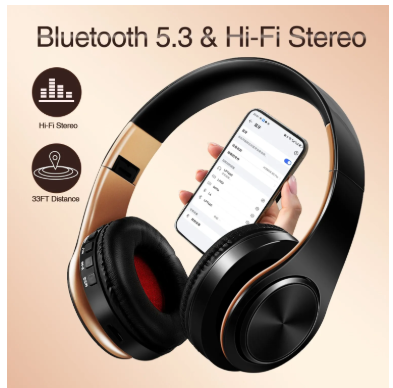
Choosing the right product as a beginner can feel overwhelming. With countless brands, features, price ranges, and marketing claims competing for attention, it’s easy to make a purchase you later regret. Whether you’re buying your first gadget, tool, software, fitness equipment, or hobby-related item, making a smart choice from the beginning saves you time, money, and frustration.
This comprehensive guide will help you understand how to evaluate your options, compare features, avoid common mistakes, and confidently choose the right product as a beginner.
Why Choosing the Right Product Matters
When you’re just starting out, the product you choose plays a major role in your learning experience. A product that’s too advanced can feel complicated and discouraging. On the other hand, a product that’s too basic may limit your growth and require an upgrade sooner than expected.
The right beginner product should:
- Be easy to understand and use
- Offer essential features without overwhelming complexity
- Provide good value for money
- Support your growth over time
- Have reliable customer support and warranty
Making the right decision early builds confidence and keeps your motivation high.
Step 1: Clearly Define Your Purpose
Before you even start comparing products, ask yourself a simple but powerful question:
What exactly do I need this product for?
Beginners often make the mistake of buying based on trends, recommendations, or popularity instead of personal needs. Be specific about:
- Your goals
- Your skill level
- How often you will use it
- Your long-term plans
For example, if you’re learning a new skill, consider whether you want to explore casually or pursue it seriously. Your answer should guide your budget and feature expectations.
Step 2: Set a Realistic Budget
Budget plays a critical role in product selection. However, cheaper does not always mean better — and expensive doesn’t always mean necessary.
As a beginner, aim for a product that:
- Falls within your comfortable spending range
- Offers essential features
- Comes from a reputable brand
- Has positive user reviews
Avoid extremely low-priced products that compromise quality. They often lead to poor performance and replacement costs later.
At the same time, don’t overspend on professional-grade products if you’re just starting. Advanced features may go unused and complicate your learning process.
Step 3: Focus on Essential Features
Manufacturers often advertise dozens of features, but beginners rarely need all of them.
Instead of being distracted by marketing language, focus on:
- Core functionality
- Ease of setup
- User-friendly interface
- Safety features
- Durability
Create a checklist of must-have features versus nice-to-have features. This simple method helps eliminate confusion and narrows your options quickly.
Step 4: Consider Ease of Use
One of the biggest factors for beginners is simplicity.
Look for products that offer:
- Clear instructions
- Simple controls
- Intuitive design
- Beginner-friendly settings
- Tutorials or guides
A complicated product can slow your progress and create unnecessary frustration. The learning curve should feel manageable, not overwhelming.
If possible, watch demonstration videos or read beginner-focused reviews to understand real-world usability.
Step 5: Research Brand Reputation
Brand reputation often reflects product reliability, customer service quality, and long-term durability.
When evaluating brands, consider:
- How long they have been in the market
- Customer ratings and feedback
- Warranty policies
- Availability of spare parts or updates
- After-sales support
Well-established brands typically provide better documentation and customer assistance, which is especially important for beginners who may need help.
Step 6: Read Verified Reviews
Reviews are one of the most powerful tools for smart decision-making. However, it’s important to read them critically.
Look for:
- Detailed user experiences
- Feedback from other beginners
- Common complaints
- Long-term usage reports
- Realistic pros and cons
Avoid relying solely on five-star ratings. Instead, pay attention to balanced reviews that explain both strengths and weaknesses.
Patterns in reviews often reveal the product’s true performance.
Step 7: Think About Future Growth
As a beginner, your skills will improve over time. Choosing a product that supports growth can save you from upgrading too soon.
Consider:
- Expandable features
- Upgrade compatibility
- Additional accessories
- Software updates
- Scalability
While you don’t need professional-level equipment immediately, choosing something slightly adaptable ensures it won’t become obsolete quickly.
Step 8: Check Warranty and Return Policies
Especially for beginners, peace of mind matters.
Before purchasing, check:
- Warranty duration
- Return window
- Exchange policies
- Customer support availability
A flexible return policy allows you to test the product without fear of losing your investment if it doesn’t meet expectations.
Common Mistakes Beginners Should Avoid
1. Buying Based on Hype
Just because a product is trending doesn’t mean it’s right for you. Popularity does not equal suitability.
2. Ignoring User Experience
Many beginners focus only on specifications. Real-world usability matters more than technical numbers.
3. Choosing the Cheapest Option
Low price often comes with compromises in quality, durability, and support.
4. Overcomplicating the Purchase
Advanced features may sound impressive but can become overwhelming for first-time users.
5. Skipping Research
Impulse buying leads to regret. Even 30 minutes of research can make a significant difference.
A Simple Checklist for Beginners
Before finalizing your purchase, ask yourself:
- Does this product match my current skill level?
- Is it within my budget?
- Does it have good reviews from beginners?
- Is it easy to use and set up?
- Does it offer room for growth?
- Is there warranty coverage?
If you answer “yes” to most of these questions, you’re likely making a solid choice.
Final Thoughts
Choosing the right product as a beginner doesn’t have to be stressful. By defining your needs, setting a realistic budget, focusing on essential features, and researching thoroughly, you can make a confident and informed decision.
Remember, the goal is not to buy the most expensive or feature-packed option. The goal is to choose a product that supports your learning journey, builds your confidence, and helps you grow.
Start simple, stay practical, and prioritize quality over hype. With the right approach, your first purchase can be the foundation for long-term success.