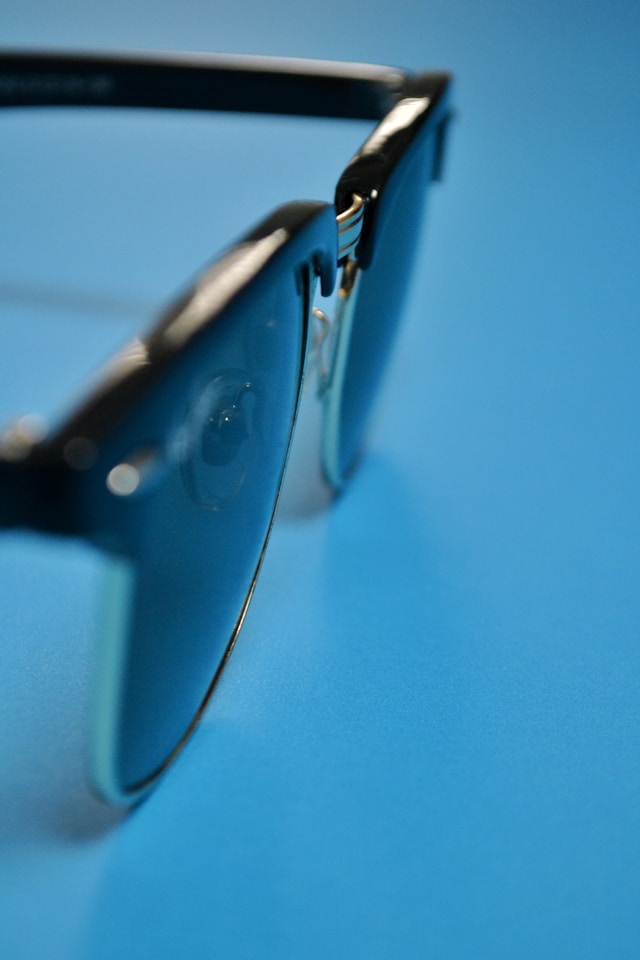
While the tech industry spent years chasing the dream of complex holographic overlays and full-field augmented reality (AR), the consumer market of 2026 has delivered a surprising verdict. The “winners” of the smart glasses race aren’t the bulky headsets trying to replace your vision; they are the sleek, lightweight, audio-first frames that prioritize your hearing. By focusing on “Glanceable AI” and high-fidelity sound, devices like the Meta Ray-Ban 2 and the Oakley Vanguard have bypassed the technical hurdles of AR to become the first true mass-market wearables for the face.
The Victory of “Boring” Design
The primary reason audio-first glasses are dominating the market is their aesthetic invisibility. For a wearable to be successful, it must first be wearable. Display-based AR glasses often struggle with weight, heat, and “tech-forward” designs that make social interaction awkward. In contrast, audio-first glasses like those from Dymesty and Xiaomi look identical to classic eyewear.
In 2026, “boring” is a competitive advantage. Consumers have shown a clear preference for frames that signal personal style rather than technical prowess. By removing the heavy optics and battery-draining displays, manufacturers can use premium materials—like lightweight acetate and carbon fiber—to create glasses that weigh between 35 and 50 grams. This allows for all-day comfort, which is the non-negotiable threshold for any piece of clothing or accessory.
The “Hearable” Evolution: Replacing the Earbud
Audio-first smart glasses are successfully positioning themselves as the ultimate evolution of the wireless earbud. Traditional earbuds, while convenient, create a “plugged-in” sensation that isolates the wearer from their environment. Audio-first glasses utilize open-ear directional speakers that beam sound into the ear canal without blocking the ambient world.
This design offers superior situational awareness, making them the preferred choice for commuters, cyclists, and professionals who need to remain reachable while staying present. In 2026, the audio quality has reached a “High-Fidelity” threshold where podcasts, calls, and even music sound rich and immersive to the wearer, while remaining virtually silent to anyone standing just a foot away. This “Personal Sound Bubble” is a more socially acceptable and physically comfortable way to consume media throughout the day.
AI as the Primary Interface
The real intelligence of 2026’s smart glasses isn’t seen; it’s heard. The market has shifted toward “Voice-First” AI assistants that act as a proactive whisper in your ear. Instead of checking a screen for a notification, the glasses use a multi-mic setup to provide contextual updates.
For example, if you are walking toward a train station, your glasses might quietly inform you that your train is delayed by five minutes and suggest a nearby coffee shop that has your favorite order ready for pickup. This “Ambient Guidance” is far less intrusive than a visual overlay. By utilizing advanced Natural Language Processing (NLP), these glasses allow users to reply to messages, set reminders, and query the world around them through natural conversation, making the technology feel like an extension of human perception rather than a secondary screen demanding focus.
The Battery Life Breakthrough
One of the most significant “kills” for display-based glasses is battery anxiety. Driving a high-brightness waveguide display in direct sunlight requires a massive amount of power. Most AR-focused glasses in 2026 still struggle to get past the 4-to-6-hour mark of active use.
Audio-first glasses, freed from the energy-hungry display, are achieving “True Day” battery life. Models like the Xiaomi Mijia and Meta Ray-Ban 2 can easily last 12 to 14 hours on a single charge with mixed-use, including continuous AI standby and several hours of audio streaming. This reliability is critical for the mass market; consumers are willing to charge their phones and watches every night, but they are far less forgiving of eyewear that dies halfway through a workday.
Privacy and Social Friction
Audio-first designs are winning because they are perceived as less threatening. In the “Camera-On” era, glasses with massive lenses and visible sensors often trigger a defensive response in social settings. Audio-first frames, particularly those without forward-facing cameras, are seen as “Privacy-Friendly.”
Even models that do include cameras, like the Meta series, prioritize audio for navigation and assistant tasks, using the camera only for intentional, user-initiated capture. Because there is no glowing screen reflecting off the wearer’s eyes, the “Uncanny Valley” effect is avoided. Interaction remains human-to-human, with the technology serving as a silent, invisible helper rather than a barrier to eye contact.
Affordability and the “Entry Point” Factor
The financial case for audio-first glasses is undeniable. In 2026, high-quality AR glasses still retail between $600 and $1,200 due to the cost of specialized optics. Audio-first glasses have hit the “sweet spot” of consumer electronics, with premium models priced between $249 and $449.
This lower entry point has allowed them to penetrate the mass market quickly. For many, the decision is simple: for the price of a high-end pair of designer sunglasses and a set of premium earbuds, they can get a single, integrated device that performs both roles better. This value proposition has turned smart glasses from a “nerd niche” into a standard upgrade for the millions of people who already wear prescription lenses or sunglasses daily.
Prescription Integration and the Eyewear Industry
The final factor in the audio-first victory is the deep integration with the traditional eyewear industry. Brands like EssilorLuxottica have partnered with tech giants to ensure that smart frames are “Prescription-Ready” from day one.
In 2026, you can walk into a standard optician and have your prescription lenses fitted into a pair of smart audio frames just as easily as traditional ones. Because audio-first designs don’t require the precise optical alignment of AR waveguides, they are much easier for local labs to handle. This ease of distribution has made smart glasses available at every street corner, moving them out of the “Apple Store” and into the “Optical Shop.”
Conclusion
The “Sight and Sound” revolution has proven that the most effective technology is the one that respects the human experience. By focusing on audio and AI rather than visual overlays, smart glasses have finally found their place in the world. They have become the invisible assistant, the open-ear headphone, and the stylish accessory all in one.
While AR will continue to advance for specialized tasks like gaming and professional engineering, the mass market has made its choice. In the world of 2026, we don’t need our glasses to show us a new world; we just need them to help us navigate the one we’re already in. The future of smart glasses isn’t a vision of the metaverse—it’s the sound of a helpful voice, delivered through a pair of glasses that look just like the ones you’ve always loved.