The original wave of minimalism was often defined by what was missing: white-walled rooms, sparsely populated closets, and the radical purging of physical possessions. While the core philosophy remains focused on intentionality and living with less, we have entered a new era. Minimalism 2.0 is not about living in a vacuum; it is about leveraging modern technology to replace physical mass with digital utility. In this version of minimalism, we don’t just throw things away—we transition them into more efficient, invisible formats that allow us to maintain a rich, functional life without the suffocating weight of “stuff.”
The Digital Shift: From Physical Mass to Bit-Based Utility
The most immediate impact of Minimalism 2.0 is the consolidation of hardware. Only a decade ago, a well-equipped home required a massive shelving unit for books, racks for CDs or vinyl, cabinets for DVDs, and drawers for cameras, calculators, and maps. Today, the smartphone and the cloud have rendered these physical footprints optional.
This isn’t just about “digital hoarding” replacing physical hoarding; it is about the “dematerialization” of products. When we use a Kindle to store a library of a thousand books, we aren’t just saving space; we are gaining portability and accessibility. The shift to Minimalism 2.0 encourages us to look at every physical object and ask: “Does this need to exist in atoms, or can it exist in bits?” By digitizing documents, media, and even sentimental items like photo albums, we reclaim the square footage of our homes while keeping our memories and resources within reach.
The Paperless Revolution and Cloud Intelligence
For many, the biggest source of physical clutter is paper. Mail, tax documents, receipts, and old manuals quickly pile up, creating a sense of mental and visual “noise.” Minimalism 2.0 utilizes high-speed scanning and sophisticated OCR (Optical Character Recognition) technology to eliminate the need for filing cabinets.
Cloud storage solutions act as the central nervous system of a decluttered life. By creating a systematic digital filing hierarchy, you can shred the physical clutter while ensuring that a specific document is searchable by keyword in seconds. This move toward a paperless existence does more than just clean up a desk; it provides a level of organization and security that physical paper simply cannot match. If your “filing cabinet” is encrypted in the cloud, it is protected from environmental damage and loss, fulfilling the minimalist goal of peace of mind through simplicity.
The Rise of the “One-Device” Lifestyle
In the early days of tech, we were sold a different gadget for every task. We had a GPS for the car, a point-and-shoot camera for vacations, a laptop for work, and a tablet for reading. Minimalism 2.0 moves toward convergence. The modern professional can often operate entirely from a single high-powered laptop or a powerful tablet with a keyboard attachment.
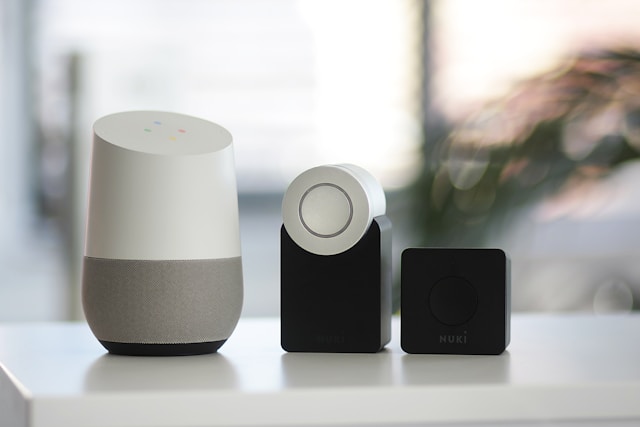
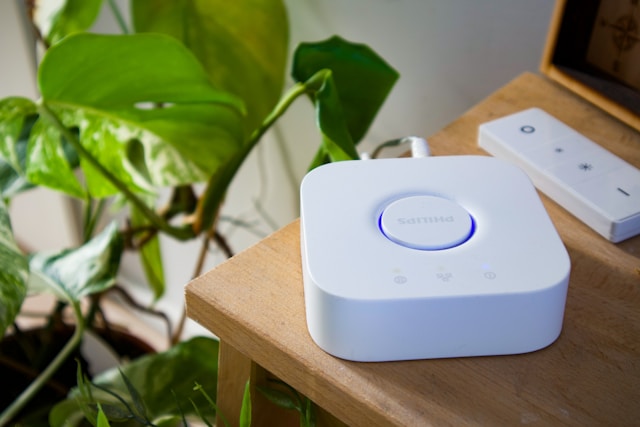
This “one-device” philosophy extends to the smart home. Instead of having separate timers for the lights, a physical weather station on the wall, and a bulky intercom system, integrated smart hubs consolidate these functions into a single interface—or better yet, a hands-free voice assistant. By reducing the number of power cords, chargers, and plastic housings in our environment, we reduce “visual clutter,” which is a primary contributor to domestic stress.
Smart Inventory Management and the “Just-in-Time” Philosophy
Technology has fundamentally changed our relationship with ownership. In the past, minimalism was difficult because we had to “stockpile” items just in case we needed them. Minimalism 2.0 adopts the “Just-in-Time” inventory model used by modern manufacturing.
Apps and services now allow us to treat the world as our warehouse. Why own a bulky power drill that you use once every three years when a peer-to-peer rental app or a local tool library allows you to access one within twenty minutes? Why keep a guest bed taking up an entire room when high-quality, tech-integrated inflatable options or short-term rental platforms exist? By using technology to facilitate the sharing economy, we can enjoy the utility of objects without the burden of storing and maintaining them.
Visual Decluttering Through Augmented Reality
A fascinating development in Minimalism 2.0 is the use of Augmented Reality (AR) to test and visualize spaces before physical changes are made. One of the traps of consumerism is buying furniture or decor that doesn’t fit or suit a space, leading to a cluttered, mismatched home.
AR apps allow users to virtually place furniture in their rooms using a smartphone camera. This prevents the “buying to try” cycle, ensuring that every physical addition to the home is intentional and perfectly fitted. Furthermore, for some, AR is becoming a space for decoration itself. Digital art frames can change the “vibe” of a room instantly without the need for physical paint, wallpaper, or hanging dozens of static pictures. The walls stay clean, but the environment remains dynamic.
The Psychological Link: Digital Order and Mental Clarity
Minimalism has always been a psychological tool as much as a physical one. Minimalism 2.0 recognizes that digital clutter is just as taxing as physical clutter. A desktop full of scattered icons and an inbox with thousands of unread emails can trigger the same stress response as a messy kitchen.
Modern software tools now include focus modes and AI-driven sorting to help users declutter their digital lives. By automating the sorting of information, technology helps us maintain a “minimalist mind.” When our digital tools work for us, we aren’t constantly distracted by notifications and digital noise, allowing us to be more present in our physical, decluttered environment.
The Circular Economy and Smart Reselling
The process of decluttering has been revolutionized by reselling platforms. In the past, getting rid of things often felt like a waste of money, leading to “clutter guilt.” Today, apps driven by image recognition and global logistics make it incredibly easy to find a new home for underused items.
Taking a quick photo with an app can instantly list an item for sale, providing the user with an incentive to let go of possessions. This creates a circular economy where items move to people who actually need them, rather than gathering dust in your closet. Technology removes the friction of “letting go,” making the transition to a minimalist lifestyle both financially and emotionally rewarding.
The Maintenance Paradox: Keeping Tech Minimal
A common pitfall in Minimalism 2.0 is replacing physical clutter with “tech clutter”—a drawer full of old cables, outdated tablets, and redundant chargers. To truly master this lifestyle, one must apply minimalist principles to the technology itself.
This means opting for universal standards like USB-C to reduce cable counts, choosing multi-functional devices over single-use gadgets, and regularly auditing digital subscriptions and apps. The goal is a streamlined tech stack that serves your life rather than requiring constant management. When technology is used correctly, it should feel invisible.
Conclusion
Minimalism 2.0 is the logical evolution of living with intention in the 21st century. It acknowledges that we live in a hybrid world of physical and digital realities. By strategically using technology to digitize our archives, consolidate our tools, and participate in the sharing economy, we can strip our physical environments down to the essentials without sacrificing the richness of our experiences. This approach turns our homes back into sanctuaries of rest rather than storage units for “someday.” In the end, the most advanced home isn’t the one filled with the most gadgets; it is the one where technology has been used so effectively that the physical space is left open, quiet, and free for the people living inside it.