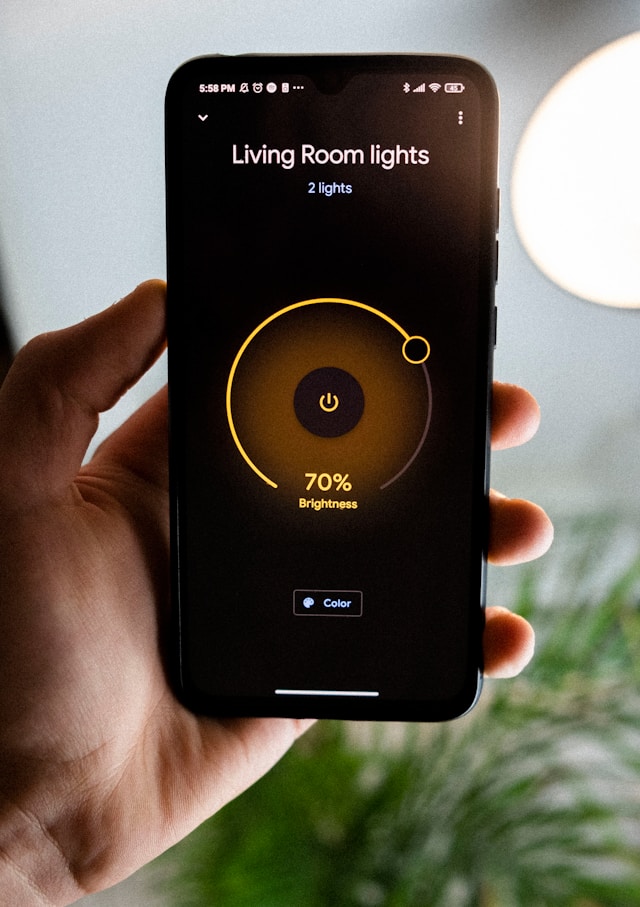
We live in an era where the boundary between the physical and digital worlds has effectively dissolved. Our homes are no longer just shelters; they are dense hubs of data generation. Every smart thermostat, voice-activated assistant, and connected security camera creates a digital footprint that describes our most intimate habits. As technology becomes “ubiquitous”—existing everywhere at once—the challenge of maintaining a private sanctuary becomes more complex. Securing your digital space in 2026 is not about opting out of the modern world, but about building a “Zero-Trust” environment that protects your data as fiercely as your front door protects your physical person.
The Architecture of the Digital Sanctuary
A digital sanctuary is a space where the user retains total sovereignty over their information. In the past, privacy was a passive state; today, it is an active architecture. The first step in securing this space is moving away from the “open perimeter” model. Historically, we trusted everything inside our home Wi-Fi network. In the age of ubiquity, we must assume that any device—from a smart light bulb to a connected fridge—could potentially be a point of entry for unauthorized data harvesting or cyber threats.
The modern privacy strategy utilizes network segmentation. By creating a separate “Guest” or “IoT” (Internet of Things) network for your smart devices, you isolate them from your primary hardware, such as the laptops and smartphones where you access banking, email, and personal documents. This “air-gapping” ensures that even if a low-security smart device is compromised, the “crown jewels” of your digital life remain behind a secondary wall of defense.
Beyond Passwords: The Era of Phishing-Resistant Identity
The password, once the cornerstone of digital security, has become one of its weakest links. In a landscape where AI-driven social engineering can mimic voices and writing styles with terrifying accuracy, traditional “knowledge-based” security is failing. Securing your sanctuary now requires moving toward “Phishing-Resistant” Multi-Factor Authentication (MFA).
This means moving beyond simple SMS codes, which can be intercepted via SIM-swapping, and adopting hardware security keys or passkeys. These methods rely on physical possession and biometric verification, ensuring that even if a bad actor steals your credentials, they cannot access your digital life without the physical “key” to the sanctuary. Treating your digital identity as a physical asset is a fundamental shift in the 21st-century privacy mindset.
The Rise of Local Intelligence and Edge Privacy
One of the greatest threats to privacy is the “Cloud Leak”—the process where your personal data is sent to a third-party server for processing. Whether it is a voice command or a video feed from a doorbell, the moment data leaves your home, you lose a degree of control.
The “Minimalism 2.0” of privacy involves choosing devices that prioritize “Edge Computing.” These are gadgets capable of processing AI and logic locally on the device itself. For example, a modern security camera with edge intelligence can recognize a family member or a delivery person without ever sending the video stream to a corporate server. By keeping the “brain” of your home inside its walls, you ensure that your daily routines remain a private matter rather than a data point for a distant corporation.
Data Sovereignty and the Managed Digital Footprint
In the age of ubiquity, we must become the “Chief Privacy Officers” of our own lives. This involves a concept known as data sovereignty—the right to control how your data is collected, stored, and used. Achieving this requires a regular “Digital Audit.”
A sanctuary is not secure if it is leaking information through forgotten apps and old accounts. Managing your digital footprint means identifying which services have “Standing Privilege” to your data and revoking access for those that no longer serve a purpose. Using tools like “Masked Emails” and “Virtual Credit Cards” further shields your true identity from the myriad of services we interact with daily, ensuring that a data breach at a minor retailer doesn’t lead back to your primary digital sanctuary.
The Threat of AI-Enhanced Social Engineering
As we move deeper into 2026, the primary threat to our privacy is no longer just technical hacking; it is psychological manipulation. AI tools are now used to craft highly convincing “Spear Phishing” attacks that are tailored to your specific interests and public social media presence.
To counter this, a digital sanctuary must be reinforced with “Verifiable Communication” protocols. This involves a healthy skepticism of unsolicited digital contact and the use of encrypted messaging platforms that offer “End-to-End Encryption” (E2EE). In an E2EE environment, only the sender and the receiver can read the content, making it impossible for service providers or intercepted signals to reveal the conversation. Privacy is maintained not through trust in the provider, but through the mathematical certainty of the encryption.
Physical Privacy in a Surveyed World
We often forget that digital privacy has a physical component. “Ubiquity” means that cameras and microphones are now embedded in the very fabric of our urban and domestic environments. Securing your sanctuary involves physical “Hardening.”
This can be as simple as using physical webcam covers and “Mute” switches on smart speakers when they are not in use. More advanced users are adopting “Privacy Glass” or signal-blocking materials in home offices to prevent remote electronic eavesdropping. The goal is to create a space where you can be “unplugged” at will, ensuring that the “always-on” nature of modern technology is a choice, not a mandatory condition of living.
The Legal Shield: Navigating the Regulatory Landscape
While personal vigilance is key, the digital sanctuary is also protected by an evolving patchwork of global regulations. Laws like the GDPR in Europe and various emerging “AI Acts” give individuals the legal right to be “forgotten” and to demand transparency in how algorithms make decisions about them.
Understanding these rights is a critical component of modern privacy. If a company mishandles your data, you have the power to hold them accountable. A secure sanctuary is one where the occupant knows their legal recourse and isn’t afraid to exercise it. By supporting “Privacy by Design”—products that are built with privacy as a foundational feature rather than an afterthought—consumers can vote with their wallets for a more secure future.
Conclusion: The Human Element of the Sanctuary
Ultimately, the most sophisticated encryption and the most advanced hardware are only as strong as the human using them. The “Digital Sanctuary” is a mindset of intentionality. It is the recognition that our attention and our data are the most valuable commodities of the modern age.
Securing your sanctuary means setting boundaries. It means deciding what parts of your life are for the world to see and what parts are for you alone. In an age where technology seeks to be everywhere, the ultimate luxury—and the ultimate necessity—is the ability to be nowhere. By taking proactive steps to harden our identities, localize our data, and remain skeptical of digital intrusions, we can enjoy the benefits of a connected world without sacrificing the soul of our private lives. The sanctuary remains, but only for those who are willing to defend it.